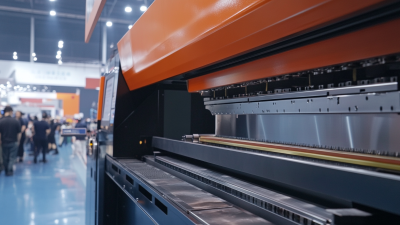
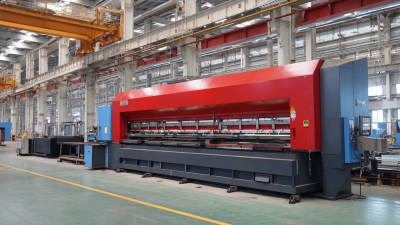
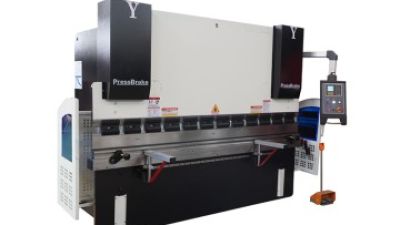
When you're looking at investing in a hydraulic press Brake Machine, it’s really important to get a good handle on its key features. This isn't just about fancy specs—it's about making sure your machine performs well and keeps your metal forming projects running smoothly. These machines are the backbone of tons of manufacturing processes, helping you bend, shape, and form metal sheets with real precision. But here’s the thing—not all press brakes are the same. Picking the right one can make a huge difference in your production speed, quality, and overall success.
In this guide, I’ll walk you through the top 10 features you should keep in mind when choosing a Hydraulic Press Brake. From how easy the controls are and how accurate it is, to safety features and build quality—they all play a part. Knowing what to look for will help you make smarter choices, no matter if you run a small shop or a big manufacturing plant. The right machine can boost your productivity, cut down on downtime, and give your business a real leg up in a competitive market. Focusing on features that match your specific needs can totally transform how you do things—making your work more efficient and precise at the same time.
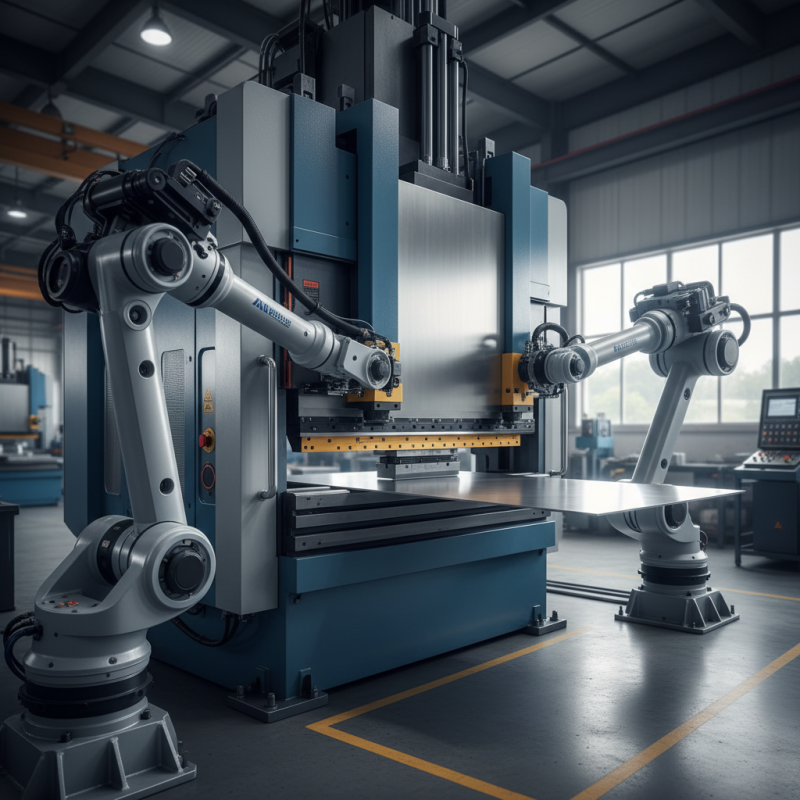
Key Specifications to Consider in Hydraulic Press Brake Machines
When selecting a hydraulic press brake machine, understanding the key specifications is crucial for ensuring optimal performance and efficiency in metalworking applications. One of the primary specifications to consider is the machine's bending capacity, which is typically measured in tons. According to the 2020 Metal Forming Industry Report, machines with bending capacities of 80 tons or more are increasingly favored due to their ability to handle a wider range of materials, including thicker steel plates. This enhanced capacity not only boosts productivity but also expands the types of projects that can be undertaken by fabricators.
Another vital specification is the bed length of the press brake. This measurement directly influences the maximum sheet size that can be processed. Industry standards suggest that for large-scale operations, bed lengths should ideally exceed 12 feet to accommodate standard sheet metal sizes without the need for manual repositioning. Moreover, hydraulic press brakes should offer flexibility in control, with advanced CNC systems allowing for precise angle adjustments and repetitive tasks. The Precision Metalforming Association reports that machines equipped with such technology improve accuracy and reduce set-up time, ultimately leading to cost savings and increased output.
Top 10 Essential Features to Look for in a Hydraulic Press Brake Machine
Understanding the Importance of Precision in Press Brake Operations
In the world of metalworking, the precision offered by a hydraulic press brake machine is critical to achieving high-quality results. Precision in press brake operations ensures that every bend meets the exact specifications required for a given project. This is vital in various industries such as manufacturing and construction, where the integrity and accuracy of components can significantly impact overall performance and safety.
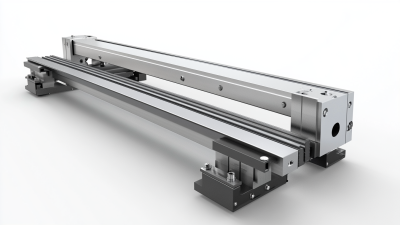
When selecting a hydraulic press brake, there are essential features to prioritize for optimal precision. Look for machines equipped with advanced control systems that allow for programmable settings, facilitating repeatable accuracy. Additionally, a robust back gauge system can enhance precision by ensuring consistent positioning of workpieces.
Tips: Regular calibration and maintenance of the hydraulic press brake are necessary to maintain its precision over time. Operators should also be trained in best practices for machine use to minimize errors. Utilizing high-quality tooling and dies can further increase the accuracy of bends, ultimately leading to superior finished products. Proper inspection of finished pieces for dimensional conformity is another key aspect of ensuring precision in every operation.
Evaluating the Control Systems for Enhanced Performance
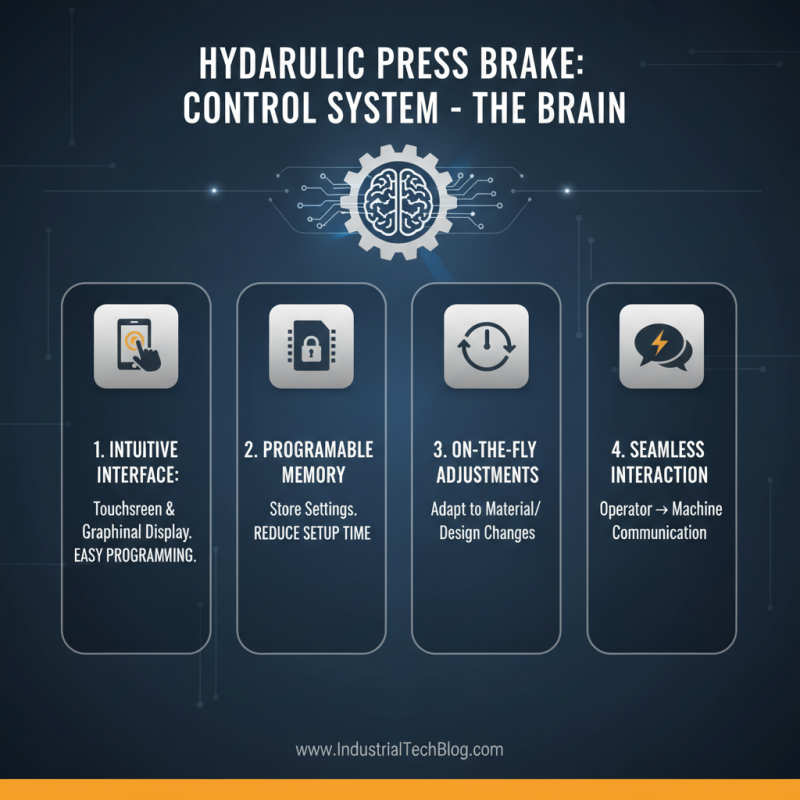
When assessing a hydraulic press brake machine, the control system serves as the brain of the operation, enabling smooth interaction between the operator and the machine. A high-quality control system should provide intuitive interfaces, allowing users to program complex operations easily. Features such as touch screens with graphical displays can enhance user experience, while programmable memory allows for the storage of frequently used settings, thereby reducing setup time for repetitive tasks. The ability to adjust parameters on the fly ensures that the machine can respond promptly to changes in material or design specifications.
Additionally, advanced control systems often incorporate synchronous technology to optimize the machine's performance during bending processes. This includes features like automatic calibration and real-time monitoring, which can significantly improve precision and efficiency. Sensors and feedback mechanisms allow for adjustments to be made during operation, ensuring consistent part quality. Enhanced control functionalities such as programmable bending sequences and multi-axial adjustments also empower operators to undertake more complex bending tasks, maximizing the versatility and productivity of the hydraulic press brake machine. Overall, a sophisticated control system not only elevates the machine’s performance but also contributes substantially to the operator’s efficiency and accuracy.
Material Compatibility: Choosing the Right Press Brake for Your Needs
When selecting a hydraulic press brake machine, material compatibility stands as a crucial factor that can significantly affect the efficiency and quality of your production processes. Different materials, such as aluminum, steel, and stainless steel, possess varying properties that require specific bending forces, tools, and setups. It is essential to understand the thicknesses, strengths, and ductility of the materials you plan to work with in order to choose a press brake that can handle those specifications effectively.
Additionally, the compatibility of the press brake with various tooling options is vital. Different materials might necessitate specialized tooling to achieve the desired bends without causing damage or deformation. For instance, softer materials may require different die shapes and clearance than harder metals. Thus, evaluating the machine’s adaptability to various types of tooling will ensure that it meets the diverse needs of your operations. Making informed choices about material compatibility not only enhances productivity but also minimizes potential losses and enhances the overall lifespan of the equipment.
Safety Features that Ensure Operator and Workplace Protection
When it comes to operating a hydraulic press brake machine, safety should always be the top priority. These machines can exert immense forces, and without the right safety features, they can pose serious risks to operators and the surrounding workplace. Essential safety features to look for include emergency stop buttons, which allow for quick shutdown in case of an emergency, and two-hand controls that require both hands to operate, ensuring that operators maintain a safe distance from moving parts during the process.
Another critical safety aspect is the presence of enclosure or protective guards that prevent accidental contact with dangerous components. Additionally, proper alarms that indicate hazardous conditions or machine malfunctions can alert operators and nearby staff to potential risks before accidents occur. Always ensure that the hydraulic press brake you choose adheres to industry safety standards.
Tips for Safety: Make a habit of regularly inspecting safety features on your hydraulic press brake machine. Ensure that emergency stops and guards are functional. Also, provide thorough training for all operators, emphasizing the importance of maintaining a safe working environment and being vigilant about potential hazards. Consider routine drills that prepare staff for emergency scenarios, fostering a culture of safety in the workplace.
Maintenance Requirements for Long-lasting Hydraulic Press Brakes
Proper maintenance is essential for ensuring the longevity and optimal performance of hydraulic press brakes. Regular inspection of key components, including the hydraulic system, frame, and control units, can help identify potential issues before they escalate. Clean the hydraulic fluid regularly to prevent contamination, as dirty fluid can lead to wear and tear on seals and other vital parts. Additionally, check for leaks in the hydraulic lines, as timely repairs can save costs and enhance efficiency.
Tips: To keep your hydraulic press brake in peak condition, create a maintenance schedule that includes daily, weekly, and monthly tasks. For daily maintenance, ensure the machine is clean and free from debris. Weekly, inspect the hydraulic oil level and top it up if necessary. Monthly checks should include a thorough investigation of the electrical connections and software updates for the control system.
Another critical aspect of maintenance is the lubrication of moving parts. Proper lubrication reduces friction, which minimizes wear and extends the machine's service life. Use the correct type of lubricant as specified in the manufacturer's manual and apply it regularly. It's also wise to routinely train operators on best practices for handling the machine, as knowledgeable use can prevent many common issues associated with wear and tear.
Cost vs. Quality: Making an Informed Investment Decision
When investing in a hydraulic press brake machine, the balance between cost and quality is paramount. In many cases, opting for the lowest-priced option may seem attractive, but it often leads to compromising essential features and overall performance. Budget machines may lack durability, precision, and the necessary technology to ensure safe and efficient operation. Therefore, buyers should evaluate the long-term benefits of investing more upfront in a quality machine, as this can lead to reduced maintenance costs, increased productivity, and ultimately a better return on investment.
On the other hand, a higher initial expenditure should not just be seen as a cost but as a strategic investment in a manufacturing process. Quality press brake machines typically come equipped with advanced features such as programmable controls, better safety systems, and superior build materials, which enhance their functionality and lifespan. Additionally, investing in quality machinery can increase operational flexibility, allowing manufacturers to tackle a broader range of projects with precision. Thus, making an informed decision by carefully weighing both cost and quality will empower businesses to secure a hydraulic press brake machine that meets their needs and enhances their operational capabilities in the long run.
Evaluating the Impact of Advanced NC Hydraulic Press Brake Machines like the WC67K-63T on Manufacturing Efficiency and Precision: Industry Insights and Trends
The integration of advanced NC hydraulic press brake machines, such as the WC67K-63T model, represents a significant leap in manufacturing efficiency and precision. These machines are designed with a streamlined EU monoblock structure, achieved through sophisticated welding robot technology and a thorough stress relief process via annealing treatment. This construction approach not only enhances the machine's durability but also contributes to its overall performance. The adoption of an integrated hydraulic system, known for its reliability and ease of maintenance, ensures consistent operation, while advanced hydraulic components enhance machine efficiency.
Precision is paramount in manufacturing, and the mechanical synchronous mechanism coupled with complex compensation systems in these press brakes significantly elevates the accuracy of workpieces. The ability to finely adjust the stroke and backgauge distance via both motor and manual controls, with real-time display capabilities, further enhances operational efficiency. Additionally, features such as PLC-controlled modes for inching and single operations, along with essential safety measures like reinforced fencing and electric interlock systems, provide a secure working environment while ensuring that operators can focus on high-precision tasks. This combination of technology and safety truly embodies the future of efficient manufacturing practices.
FAQS
: The control system acts as the brain of the operation, facilitating smooth interaction between the operator and the machine, and enabling easy programming of complex operations.
A high-quality control system should feature intuitive interfaces, touch screens with graphical displays, programmable memory for frequent settings, and the ability to adjust parameters on the fly.
Synchronous technology optimizes performance by utilizing automatic calibration and real-time monitoring, significantly improving precision and efficiency during bending processes.
Regular maintenance is essential for ensuring longevity and optimal performance, helping to identify potential issues early and prevent costly repairs.
Maintenance tasks should include daily cleaning, weekly inspection of hydraulic oil levels, and monthly checks of electrical connections and software updates.
Proper lubrication reduces friction, minimizes wear, and extends the machine's service life by ensuring that moving parts operate smoothly.
Operators should be trained on best practices for handling the machine, as knowledgeable use can help prevent wear and tear-related issues.
Key components, including hydraulic fluid cleanliness, potential leaks in hydraulic lines, and overall system integrity should be regularly monitored.
Conclusion
When choosing a Hydraulic Press Brake Machine, several essential features must be considered to ensure optimal performance and safety. Key specifications such as bending capacity, throat depth, and overall construction quality are crucial for meeting specific operational needs. Precision is vital in press brake operations, as it directly impacts the accuracy of the bends produced, making it essential to evaluate the machine's capabilities thoroughly.
Control systems play a pivotal role in enhancing machine performance, allowing for better maneuverability and efficiency. Additionally, it's important to select a press brake that is compatible with the materials you intend to work with. Safety features are critical for protecting both the operator and the workplace from potential hazards. Furthermore, understanding maintenance requirements can lead to a more durable operation, while balancing cost and quality is essential for making a wise investment. Overall, careful consideration of these aspects will maximize the effectiveness of a Hydraulic Press Brake Machine in any production environment.