Leave Your Message
0%

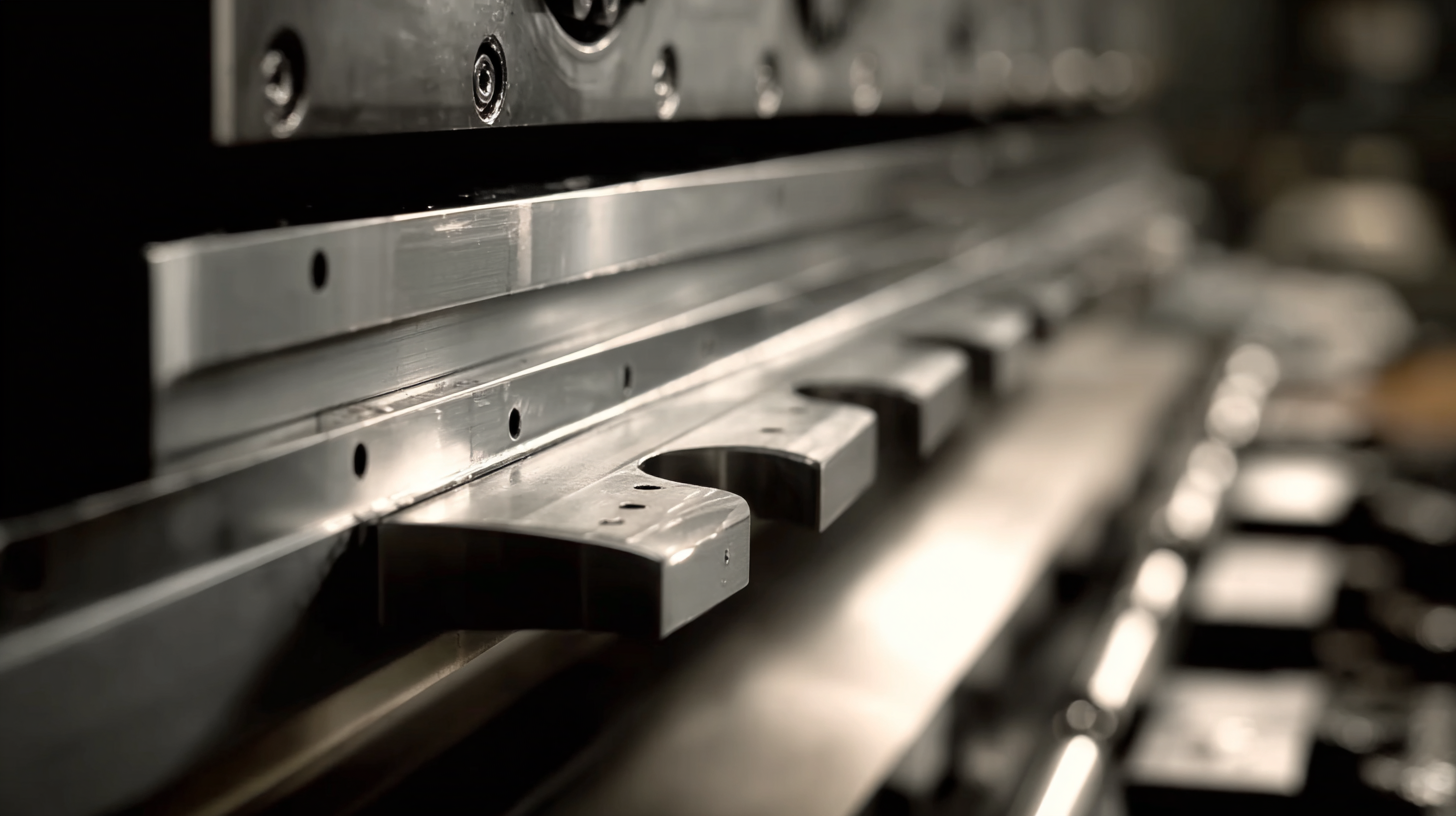
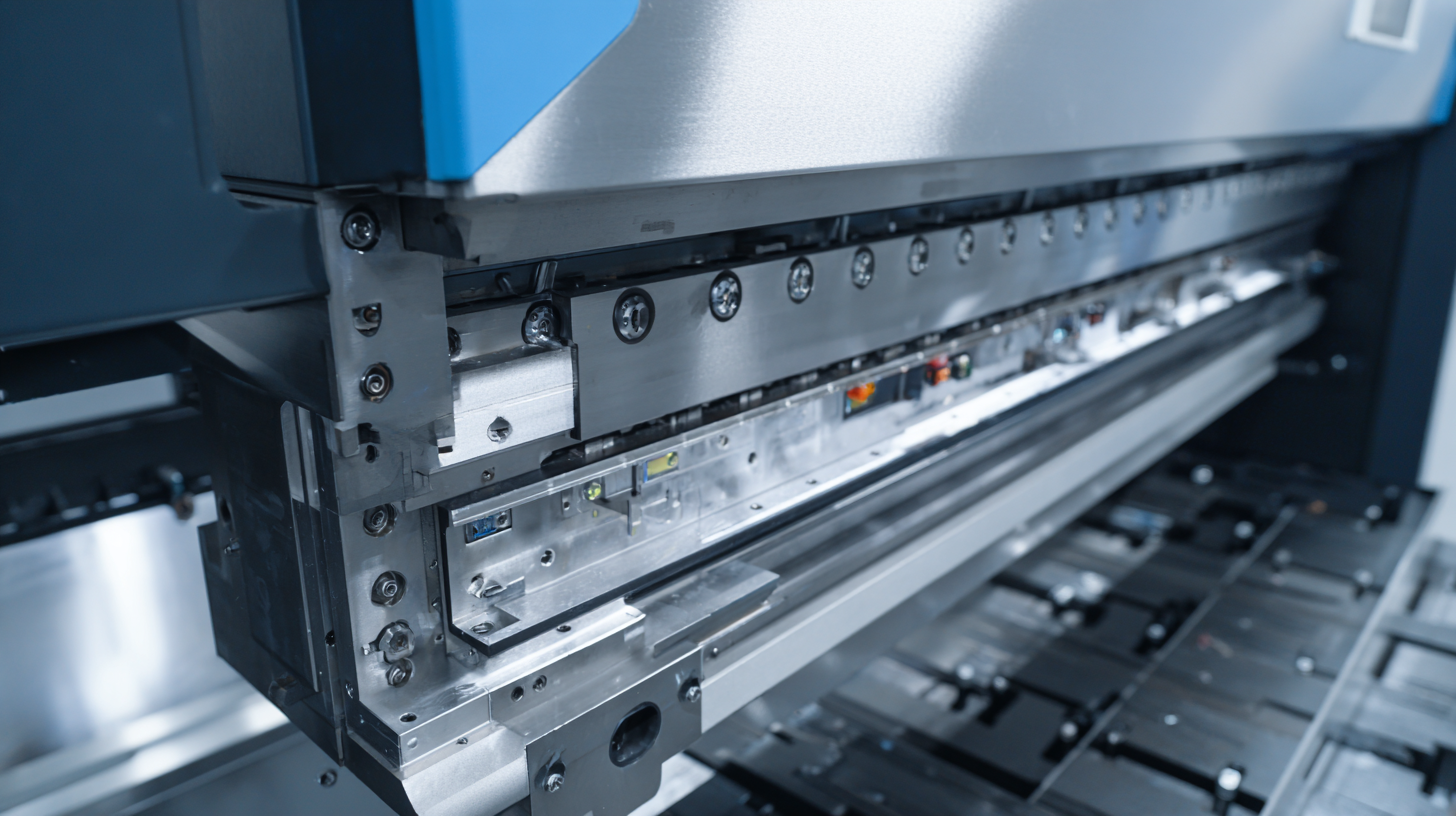
You know, in the fast-changing world of metal fabrication, it’s becoming pretty clear that folks are really looking for smarter, more innovative alternativesto the old-school Press Brake Dies. I mean, industry reports are pointing out that the global market formetal forming equipment is expected to hit around $15 billion by 2025. That growth is mostly thanks to better automation tech and everyone's push for more precise, efficient production processes. Take Ma’anshan Dama Machinery Manufacturing Co., Ltd. for example—they’re pretty much at the forefront when it comes to developing state-of-the-art CNC Bending Machines and other sheet metal tools that boost operational efficiency.
Exploring Innovative Alternatives to Best Press Brake Dies for Enhanced Fabrication

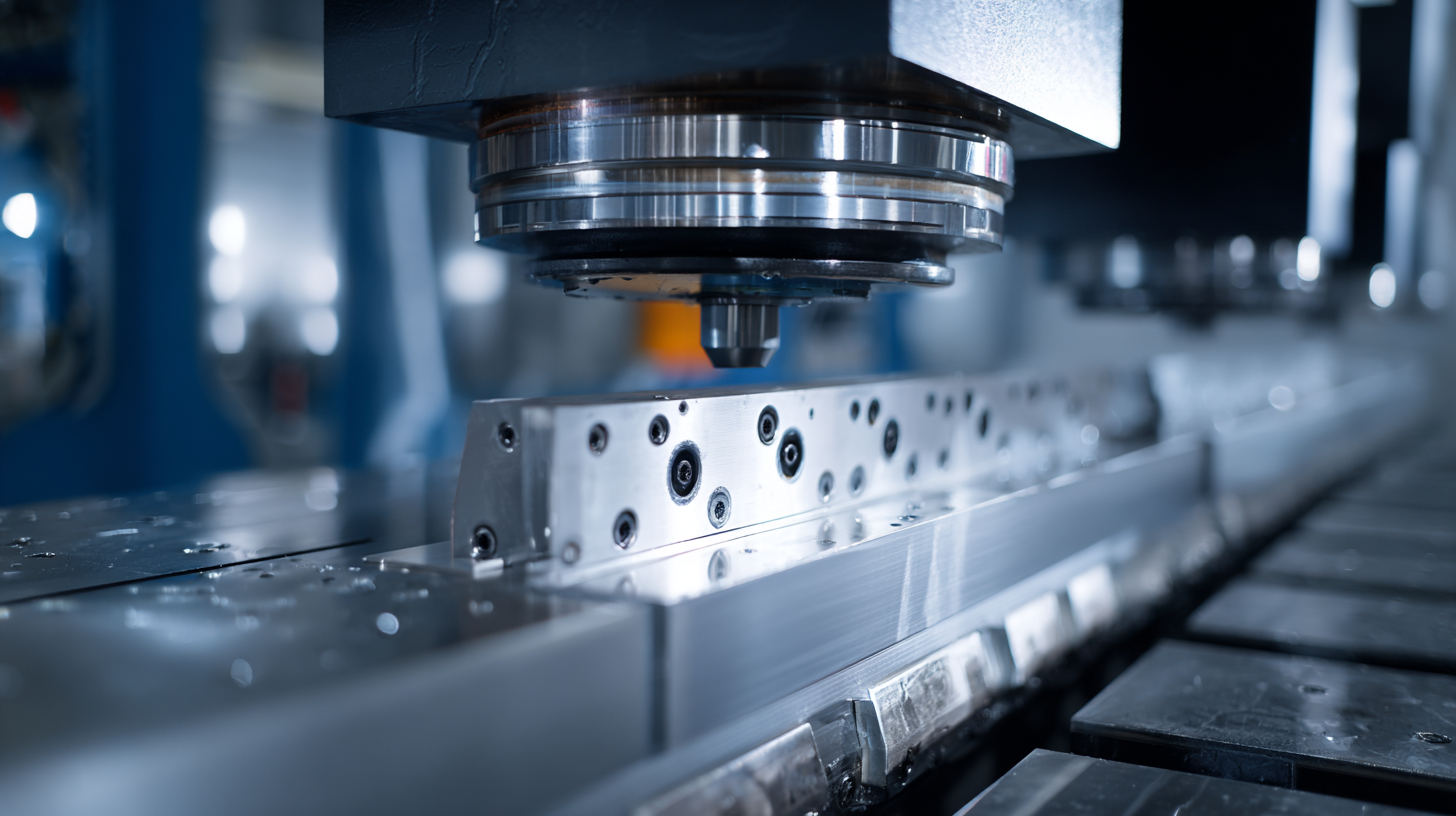
As we dive into the latest trends and top strategies in this space, it’s important to see how cutting-edge Press Brake Dies can actually make a big difference in the quality and output of fabrication work. Jumping on these innovations isn’t just about keeping up with tech trends; it’s also a smart move for companies like Dama that want to stay competitive and grow steadily in this industry.

Emerging Trends in Press Brake Die Technology for 2025

Looking ahead to 2025, the world of press brake die technology is really about to change quite a bit—kind of mirroring the bigger trends we've been seeing in manufacturing and automation lately. Just recently, S&P Global Commodity Insights pointed out that energy markets are more uncertain than ever, and yeah, that definitely ripples into manufacturing too. On the bright side, we’re seeing emerging tech like smarter sensors and AI-powered systems that could totally shake up how we use press brakes. This shift makes sense because the demand for super precise fabrication is skyrocketing, which means old-school die designs just can’t keep up anymore.

And, it’s not just about tech—there’s a big push for sustainability too. The 2025 Renewable Energy Industry Outlook mentioned that renewable energy momentum really took off in 2024, and it looks like this trend isn’t slowing down. That’s pushing manufacturers to find more efficient ways to do their thing. Many industry folks are now talking about hybrid die technologies—things that not only boost performance but also help meet green goals. Recent surveys show that companies jumping into new materials and even 3D printing for their press brake work are seeing better efficiency and less waste, which kind of sets a new standard for everyone.

As we move into this new era, the focus’s gonna be on creating smarter, eco-friendly fabrication methods that tap into today’s latest tech trends—and honestly, it’s pretty exciting stuff.

Alternatives to Conventional Press Brake Dies: What to Consider

When you're looking into options beyond the usual press brake dies, there are quite a few things to think about that can really impact how your fabrication process goes. Classic dies are pretty reliable, but they often come with some limits—like not being super flexible, slowing down production, or costing more than you'd like. Interestingly, a recent report from the Fabricators & Manufacturers Association showed that almost 30% of manufacturers are already exploring new types of dies to cut down lead times and make their operations more adaptable. Moving towards new materials or designs — things like composite or modular dies — can actually give manufacturers a nice edge when it comes to precision and customizing their work.

Exploring Innovative Alternatives to Best Press Brake Dies for Enhanced Fabrication

The Impact of Digital Tools on Press Brake Die Innovation

When it comes to metal fabrication these days, digital tools have really shaken things up—especially when it comes to designing press brake dies. I read a report from IBISWorld that predicts the metal bending industry could grow around 3.5% each year over the next five years, mainly thanks to tech advancements. Tools like CAD (that’s Computer-Aided Design) and CAM (Computer-Aided Manufacturing) are now pretty much standard in the design process. They let manufacturers create way more precise and complex die shapes than what used to be possible, which not only speeds things up but also boosts the quality of the final products.

Exploring Innovative Alternatives to Best Press Brake Dies for Enhanced Fabrication

Plus, digital stuff like 3D printing and simulation software has totally changed the game for developing press brake dies. According to Deloitte, companies using these techs can cut down prototype development time by as much as 40%. That’s a big deal because it means they can get products to market faster and save some cash along the way. Also, by using real-time data analytics, manufacturers can fine-tune their die designs and even predict how they'll perform. This opens up loads of new possibilities, offering alternatives to the traditional press brake dies we’re used to. Honestly, it’s impressive to see how digital tools continue to push the boundaries of fabrication—making everything more innovative and efficient than ever before.

Sustainable Materials: The Future of Press Brake Die Manufacturing

In today's fast-paced manufacturing world, switching to sustainable materials for die making isn't just a passing trend—it’s pretty much a must these days. I read somewhere that the fabrication sector accounts for about 20% of the world's CO2 emissions—that's a huge chunk. Because of this, more and more manufacturers are feeling the heat to cut down their environmental impact. That’s why innovative alternatives, like using thermoplastics and biopolymers for press brake dies, are really starting to pick up steam. Not only do these new materials help cut down on waste, but they also tend to last longer and perform better than the traditional options.

A quick tip—when you're choosing materials for press brake dies, think about the entire lifecycle. Going for locally sourced, renewable materials can really make a difference, especially since it cuts down on transportation emissions and gives a boost to local communities.

On top of that, tech has been advancing like crazy—think 3D printing—making it possible to craft complex die shapes with sustainable materials. This means more options for customization and a lot more flexibility in how you produce. Interestingly, a recent study by the American Institute of Steel Construction shows that companies practicing sustainable manufacturing tend to gain about 15% more trust and loyalty from customers. So, it’s clear that the future of die manufacturing is definitely tied to going green. These innovative approaches not only make processes more efficient but also help lessen our environmental footprint.

Here's another tip—consider adding a sustainability audit into your operations. It’s a handy way to spot areas where you could improve and track how much you're really reducing your carbon footprint over time.

Case Studies: Successful Implementations of Alternative Press Brake Dies

In the fast-paced world of fabrication, folks are always looking for better ways to get more done, and surprisingly, new alternatives to those traditional press brake dies are really changing the game. I came across some recent cases where modular die systems made a huge difference—like, they let companies swap out and adjust parts super quickly. For example, at a mid-sized manufacturing plant, they managed to cut downtime during setup by about 30% just by using interchangeable die sets. And the best part? It not only boosted productivity but also cut down on material waste by 20%. It’s pretty clear that these modern innovations don’t just save time—they really add up in terms of cost savings.

When you’re thinking about switching to alternative press brake dies, it’s really important to check if they’ll fit with your existing equipment. A lot of industry reports mention that how your dies are designed can really affect how long your press brake lasts. Using high-end materials like high-strength steel or composite materials can make your dies last way longer, which means fewer replacements and less hassle.

Quick tip: Keep a close eye on your die maintenance schedule and maybe even consider training your staff on proper care and handling. When operators know what they’re doing, it can prevent costly mistakes and really make those innovative die systems work their best. Doing regular maintenance checks not only helps the dies last longer but also makes sure your production stays consistent and top-notch.

Maximize Precision and Efficiency with the WC67K-63T 2500MM TP10S Controller Hydraulic Press Brake Machine

The WC67K-63T 2500MM TP10S Controller Hydraulic Press Brake Machine stands at the forefront of modern manufacturing, engineered to maximize precision and efficiency in metal forming processes. With its all-steel welded construction, this machine alleviates stress through vibration elimination, ensuring high mechanical intensity and exceptional rigidity. The hydraulic upper transmission not only guarantees a steady and reliable operation but also enhances the overall performance, making it an indispensable tool for manufacturers aiming for quality and productivity.

Precision is further elevated with the incorporation of a mechanical stop dog and synchronization in the twist axis, ensuring that each bend is executed with impeccable accuracy. The advanced design allows for adjustable back gauge distances and upper ram strokes, facilitated by a motor-driven system. For those who value hands-on engagement, the manual operation micro-adjust equipment provides a convenient means of fine-tuning, accompanied by real-time numerical display for enhanced operational awareness. Whether you're in a high-volume production environment or a niche workshop, this hydraulic press brake machine is designed to meet and exceed the demands of today's metal fabrication industry.

FAQS

: What impact do digital tools have on press brake die innovation?

: Digital tools like CAD and CAM software have transformed press brake die innovation by enabling manufacturers to create more precise and complex die shapes, which streamline production and enhance the quality of fabricated components.

How can companies benefit from adopting digital technologies in press brake die development?

Companies can reduce prototype development time by up to 40% and increase efficiency while lowering costs by adopting digital technologies such as 3D printing and simulation software.

What advantages do modular die systems provide in metal fabrication?

Modular die systems allow for quick changeovers and adjustments, leading to a 30% reduction in setup time and a 20% reduction in material waste, thereby enhancing productivity and providing significant cost savings.

Why is it important to assess equipment compatibility when considering alternative press brake dies?

The compatibility of alternative press brake dies with existing equipment is crucial because the design of the die can significantly impact the overall lifespan of the press brake.

What materials should be considered for press brake dies to extend usability?

Using advanced materials such as high-strength steel or composites can extend the usability of press brake dies and minimize the frequency of replacements.

How can proper training for operators affect the performance of innovative die systems?

Properly trained operators can prevent costly errors and enhance the performance of innovative die systems, thereby improving overall productivity and reducing waste.

What role does maintenance play in the longevity of press brake dies?

Regular maintenance checks can prolong the life of the dies and sustain production quality, which is critical in maximizing efficiency and reducing operational costs.

What is the expected growth rate of the metal bending industry according to industry reports?

The metal bending industry is expected to grow at an annual rate of 3.5% over the next five years, driven by technological advancements.

Clara

Clara

Clara is a dedicated marketing professional at Ma'anshan Dama Machinery Manufacturing Co., Ltd., where she specializes in promoting the company's innovative products and services. With a deep understanding of the machinery manufacturing industry, Clara consistently demonstrates a high level of......
Previous Comprehensive Insights into Press Brake Technology for Global Buyers