In today’s super-fast world of manufacturing, getting the hang of operating a Manual Sheet Bending Machine is more important than ever if you wanna keep things running smoothly and get stuff done efficiently. As a company that’s pretty well-known in metal processing circles, MAANSHAN DAMA MACHINERY MANUFACTURING CO., LTD.offers a wide range of sheet metal equipment—everything from standard to Cnc Bending Machines. This guide is here to help bothnewbies and seasoned pros alike—it’s packed with handy tips, techniques, and best practices to help you get the most out of your Manual Sheet Bending Machine. Whether you're just starting out and need the basics or you're looking to sharpen your skills, this guide has got your back. Our goal is to make sure you understand the ins and outs of sheet metal bending, which can really boost your work quality and help your team succeed overall.
Understanding the Basics of Manual Sheet Bending Machines
Manual sheet bending machines are pretty much essential when it comes to metal fabrication. They let you make those precise bends and folds in all kinds of sheet materials, which is a game-changer. Honestly, understanding how these machines work is important whether you're just starting out or you're a seasoned pro. The basic idea is pretty straightforward—they bend sheets by applying force through a lever system, so you can get those angles just right. Getting familiar with the parts, like the bed, ram, and clamping mechanisms, really helps you become more confident and efficient in using them.
Of course, safety's super important here. Always follow safety rules—like wearing the right protective gear and making sure your workspace is tidy and free of obstacles. Plus, knowing the basics, like how to measure and mark your sheets properly, goes a long way. It’s also useful to understand how different materials behave when you're bending them—some materials need special attention. By mastering these basic skills, you'll be able to produce consistent, high-quality bends. That’s how you set yourself up for tackling more complex projects and trying out more advanced techniques down the line. It’s all about building that good foundation early on.
The Ultimate Guide to Mastering Your Manual Sheet Bending Machine Skills
| Skill Level | Bending Thickness (mm) | Material Type | Bending Angle (Degrees) | Recommended Tooling |
| Beginner | 1.5 | Aluminum | 90 | Standard V-Die |
| Intermediate | 2.0 | Mild Steel | 45 | Gooseneck Die |
| Advanced | 3.0 | Stainless Steel | 30 | Custom Die Set |
| Expert | 4.0 | Brass | 15 | Specialty V-Die |
Essential Safety Practices for Operating Sheet Bending Machines
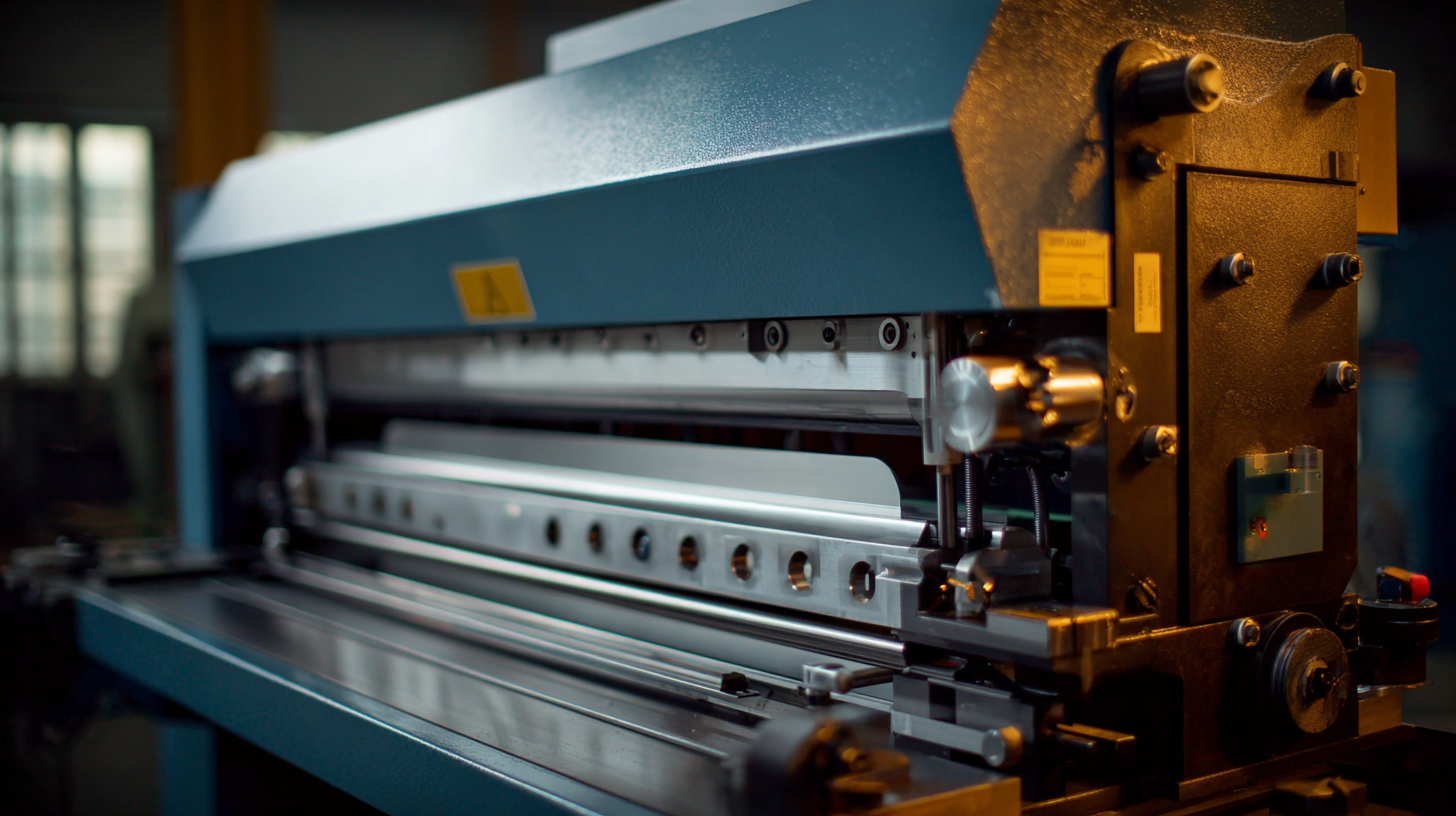 Running a manual sheet bending machine isn’t just about knowing what to do—it’s also really important to stay safe and keep things running smoothly. It all starts with gear, so make sure you have the right protective equipment on. Wear safety glasses to guard against flying chips, gloves to protect your hands from sharp edges, and steel-toed boots to keep your feet safe from heavy stuff. And hey, keeping your workspace neat and tidy is a must—clutter can easily cause slips or accidents, so it’s worth paying attention to.
Before you switch the machine on, take a few minutes to do a proper check. Make sure everything’s working well and securely in place. Look over the bending die and ram for any signs of damage, and double-check that the machine’s properly lubricated. It’s also super important to be familiar with the emergency stop buttons and any other safety features on the machine—knowing where they are can really come in handy.
While you’re operating it, try to keep good posture, and use both hands to handle the sheet—this not only makes things safer but also helps you be a lot more precise. Basically, sticking to these simple safety habits can really help you improve your skills and cut down on risks when working with manual sheet bending machines. It’s all about staying safe while doing a good job!
Step-by-Step Guide to Setting Up Your Sheet Bending Machine
Getting your manual sheet bending machine set up properly is pretty important if you want those metal bends to come out just right. I read somewhere, like in a report from the Fabricators & Manufacturers Association (FMA), that if you don’t set it up correctly, you could end up wasting a lot of material—think around 20% more scrap—and your costs can shoot up too. So, starting out, make sure the machine sits on a stable surface, ideally something like concrete, so it doesn’t wobble or shake while you’re working. Also, take some time to go through the manual; each machine is a little different, and understanding the specific adjustments for different sheet thicknesses really makes a difference.
Next, you’ll want to calibrate it. Adjust the upper beam to the height you need, and double-check that the bending angle matches what your project calls for. Some industry guidelines, like those from the American Society of Mechanical Engineers (ASME), suggest that doing a simple calibration routine can actually boost bending accuracy by about 15%. Once you’ve got everything dialed in, do a few test bends using scrap pieces first—this way, you can see how the machine’s performing and make any tweaks needed before you start working on your real materials. Trust me, taking that little extra time makes a big difference—it helps you get comfortable with the machine and better at handling different types of metal without surprises.
Techniques for Achieving Precision Bends in Various Materials
Getting the hang of using a manual sheet bending machine is pretty much essential if you want those bends to be spot-on across different materials. If you’re in the biz, it really pays to understand the ins and outs of various metals — whether it's aluminum or stainless steel — because that can make a big difference in how the finished product turns out. I saw a recent industry report that said the worldwide sheet metal fabrication market is expected to hit $236 billion by 2025. That just goes to show how much companies need skilled operators who can pull off precise, repeatable bends without breaking a sweat.
If you're looking to level up your bending game, here are a couple of tips that might help. First off, always calibrate your machine before kicking off any project — it sounds basic, but it really makes a huge difference in getting accurate results. Next, make sure you're using the right tooling for the material you’re working with. It might seem like a small detail, but it can really improve your bends and even help your tools and machine last longer. Also, don’t forget to keep an eye on how temperature affects your metals; pre-heating certain materials can actually help them bend more easily without cracking or deforming.
By the way, MAANSHAN Dama Machinery Manufacturing Co., Ltd. is actually leading the charge in this space. They offer all sorts of top-notch manual and CNC bending machines that make working on different materials a whole lot easier and more precise. As demand for more complex metal shapes keeps growing, investing in high-quality sheet metal equipment is more important than ever — especially if you want to stay competitive and deliver products that stand out from the crowd.
Troubleshooting Common Issues with Sheet Bending Machines
Working with sheet bending machines can be pretty tricky sometimes, and operators often run into issues that throw off the workflow. I came across a recent industry report that said around 30% of machine downtime happens because of mechanical failures or set-up mistakes—that’s definitely something to watch out for. Knowing what kind of problems can pop up is key to keeping things running smoothly. For example, one of the common hiccups is misaligning the sheet, which often results in bends that aren’t quite right. A quick and regular check of the machine’s alignment and calibration can really help avoid those mishaps.
Here’s a tip: make sure your workpiece is securely fixed and lined up properly before starting the bend. Using fixtures can make a huge difference—they not only improve consistency but also help get those bends just right, which, let’s face it, is super important, especially in high-stakes manufacturing.
Another typical issue is wear and tear on parts of the machine, especially the bending tools. Regular maintenance isn’t just a good idea; it’s essential. The Fabricators & Manufacturers Association highlighted that about 40% of manufacturers saw major boosts in productivity after they got serious about preventative maintenance. Basically, keeping your machine in good shape helps you avoid unexpected breakdowns and those costly repairs nobody wants.
Here’s what I’d suggest: schedule routine checks for your machinery and replace worn-out parts as soon as needed. Also, keeping a detailed log of how your machine performs over time can help spot issues early before they become big problems. Stay ahead of the game—that’s the secret to smooth sailing!
Advanced Tips for Enhancing Your Manual Bending Skills
Getting the hang of your manual sheet bending machine is pretty important if you wanna boost your productivity and get more precise results in metalworking. Honestly, learning some advanced techniques can make a real difference – not just in the quality of what you make, but also in how efficiently you’re working. I’ve read somewhere that companies embracing newer manufacturing methods, including better bending skills, can see their efficiency jump by up to 30%. That really shows why it’s worth fine-tuning your bending techniques, don’t you think?
A good tip? Keep practicing applying steady pressure when you’re shaping the metal. It sounds simple, but it really helps create even bends and reduces stress on the material. Also, using top-notch alloys can make bends smoother and help avoid issues like warping — trust me, it saves a lot of headaches. And don’t forget, picking up quick tricks from your own experience in the workshop can save you time in the long run.
And hey, never stop learning. Checking out online forums or communities where folks share their tips can be super helpful. Not only do you get new ideas, but it also creates a space where everyone can learn from each other. This kind of sharing can lead to some pretty cool breakthroughs in manual bending. So yeah, keep pushing your skills — the more you practice and learn, the better you’ll get!
Introducing the QC11Y Series 10x3200mm E21S Hydraulic Shearing Machine: Cutting Precision and Efficiency for Modern Fabrication
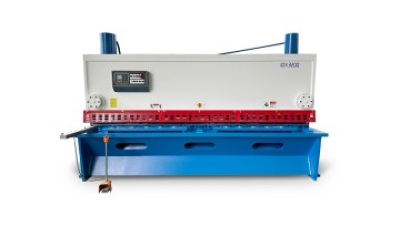
The QC11Y Series 10x3200mm E21S Hydraulic Shearing Machine stands out in modern fabrication for its precision and efficiency, making it an essential tool for any workshop aiming for optimal performance. The machine's robust frame and tool rest, constructed from high-strength steel structural components, ensure that the upper tool rest has been tempered to eliminate internal stresses. This results in improved rigidity and stability, which is vital for maintaining consistent cutting accuracy throughout extensive operational cycles.
Incorporating advanced mechanisms, the shearing motion is efficiently executed via an oil cylinder that propels the tool holder along a guide rail. This design allows for smooth operation with precise control. The rear stopper, driven by a ball screw and motor-driven adjustment, enhances the machine's versatility by facilitating quick and accurate positioning of the stopper distance. Furthermore, the material pressing mechanism utilizes a set of oil cylinders that effectively manage spring tension during operations, ensuring reliable performance as the system resets seamlessly after shearing.
Promoting convenience, the QC11Y features a front supporting frame equipped with a scale and side positioning stop, accommodating the cutting of wider sheet materials with ease. Additionally, the hydraulic system is designed with overload safety protection and a clear oil level display, supporting continuous operation for up to 16 hours without leakage or interruption. This robustness not only guarantees high precision but also ensures stable processing, making the QC11Y Series a preferred choice for the modern fabrication landscape.
FAQS
: A common issue is improper alignment of the sheet, which can lead to inaccurate bends.
Operators can mitigate this problem by regularly checking the machine’s alignment and calibration, and ensuring that the workpiece is securely fixed and aligned before bending.
Approximately 30% of machine downtime is attributed to mechanical failures and set-up errors.
Regular maintenance should be performed to prevent wear and tear on machine components, and worn-out parts should be replaced promptly.
According to a study, around 40% of manufacturers reported significant productivity improvements after implementing a structured preventative maintenance program.
Techniques include practicing consistent pressure applications, using high-quality materials, and integrating time-saving practices learned in the workshop.
Continual learning helps operators stay competitive by adopting innovative techniques and sharing knowledge with peers through online communities.
Organizations can realize up to a 30% increase in production efficiency by adopting advanced manufacturing technologies, including manual bending skills.
Utilizing fixtures can significantly enhance consistency and precision in bending operations.
Engaging with online communities or forums can provide valuable insights into innovative techniques and best practices from peers.
Conclusion
Getting the hang of your Manual Sheet Bending Machine is pretty important if you’re into metalworking. I’ve put together this friendly guide that walks you through everything — from the nuts and bolts of how these machines work to some key safety tips so you can stay safe while you’re at it. It’s got a straightforward setup walkthrough for your equipment, plus some handy techniques to get those perfect bends on all sorts of materials.
And don’t worry if things go a bit sideways — I’ve included some common troubleshooting tips to help you out. Plus, for those looking to level up their skills, there are some advanced tricks to make your bending even better. With insights from Ma’anshan Dama Machinery Manufacturing Co., Ltd., a leading name in bending and shearing machines, this guide is perfect whether you’re just starting out or a seasoned pro trying to sharpen your manual bending game.