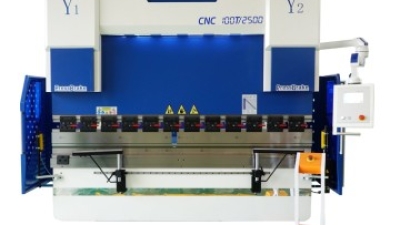
When it comes to metalworking, getting the hang of a Small Press Brake is pretty much a must if you want your work to be precise and efficient. At MAANSHAN DAMA MACHINERY MANUFACTURING CO., LTD., we’re really proud to be leaders in this field—specializing in top-notch bending machines, whether they're standard or CNC, along with Shearing Machines and a whole bunch of other sheet metal tools. This handy guide is gonna walk you through the different types ofSmall Press Brakes, what they’re mainly used for, and some tips to get the most out of them. Honestly, once you understand how these machines work, you can really step up your craftsmanship and handle bigger, more complex projects. Whether you’re just starting out or you’re already experienced, mastering your Small Press Brake can seriously boost your precision and turn your projects into true works of art. It’s all about staying sharp and ahead in an industry that keeps getting more competitive, right?
Understanding the Basics of Small Press Brakes: A Comprehensive Overview
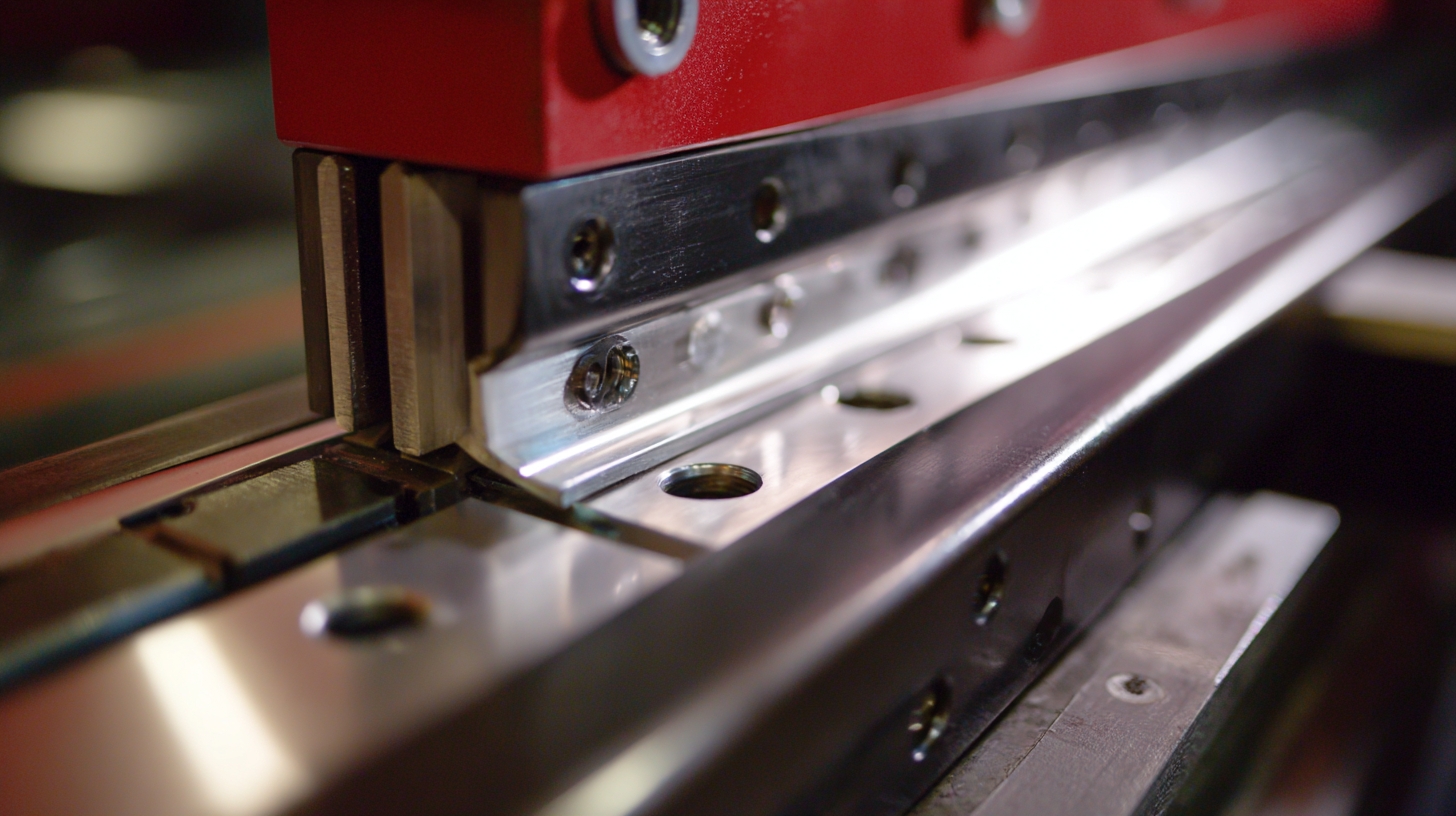
Small press brakes? Honestly, these are total game-changers if you're working in a workshop and need to bend or shape metal with precision. Honestly, getting a good grip on how these machines work is super important—not just to get the best results, but also to stay safe while you're at it. Basically, a small press brake does its thing by clamping a sheet of metal between a punch and a die. It then uses hydraulic or mechanical force to form those bends and angles you want. But here’s the thing: setting it up right is key. If your punch and die aren’t aligned properly, your bends will be off. So, taking the time to master that setup really makes a difference in your work.
When you’re picking out a small press brake, there are a few things you should keep in mind—like how thick your material is, how long the bending needs to be, and what kind of projects you’re planning to tackle. Familiarizing yourself with the specs of different machines helps you pick the right one for your workshop. And on top of that, knowing the different bending techniques like air bending or bottom bending can really open up your options and boost your skills. Don’t forget—regular maintenance and handling with care are crucial if you want your machine to last and keep performing at its best. That way, you’ll be able to create even the most intricate designs and meet high standards in your metalworking projects.
Key Features and Benefits of Using Small Press Brakes in Metalworking
Small press brakes are really must-have tools if you're into metalworking. They offer that perfect blend of precision and versatility, making those tricky bending jobs much easier. Because they’re compact, they’re super handy for workshops with limited space, yet they still deliver top-notch results. One of the best things? Being able to control the bending angle and depth means you can create even the most intricate designs with accuracy. That’s why both hobbyists and pros love using them.
When you’re thinking about getting a small press brake, a couple of things stand out—durability and ease of use. These machines are built tough, so they can handle everyday work without breaking down easily, which means they last a really long time and keep performing reliably. Plus, a lot of models now come with CNC features, so you can automate complex bends — talk about boosting productivity!
A couple of tips if you’re using one: Always make sure the material is secured well before you start bending — nobody wants it slipping or moving unexpectedly. Also, don’t forget to give the machine regular maintenance; it keeps everything running smoothly and helps avoid unnecessary wear and tear. And spend a little time getting to know the settings and controls — knowing your machine inside and out really makes a difference. If you’re after quality, MAANSHAN DAMA MACHINERY MANUFACTURING CO., LTD. offers a great selection of small press brakes to take your metalworking projects to the next level.
Essential Techniques for Operating Small Press Brakes Safely and Efficiently
Running small press brakes safely and efficiently is super important if you want the best results in your metal workshop. Did you know that, according to the American National Standards Institute (ANSI), almost a quarter of machinery injuries happen because of improper operation? It’s pretty eye-opening. To keep everyone safe, operators really need proper training on how to handle their specific machines. Some key things to keep in mind are knowing what the machine can handle, making sure the workpiece is correctly positioned, and always wearing the right personal protective gear (PPE).
On top of that, having a solid, step-by-step approach to pressing operations can seriously boost your efficiency. The Fabricators and Manufacturers Association (FMA) reports that optimizing how you set up your press brakes can push up part production by as much as 40%. Simple tricks like nesting parts smartly on the sheet, using programmable logic controls (PLCs), and keeping your equipment well-maintained not only make things safer but also cut down on machine downtime. When your operators are well-trained and routinely checked, they’re better at spotting potential hazards and tweaking their techniques, which means a safer and more productive workshop overall.
Common Mistakes to Avoid When Using Small Press Brakes in Your Workshop
When you're working with small press brakes in your workshop, avoiding some common mistakes can really make a difference in how efficient and skilled your work feels. One mistake I see a lot is skipping the step of measuring and marking your material before bending. Honestly, taking that extra bit of time to get precise measurements can save you a headache later. It’s super important to get those dimensions and angles just right, using decent measuring tools—rushing through this part almost always leads to off-kilter bends, which can end up costing you both time and materials.
Another thing that trips people up is setting up the press brake wrong. Make sure the machine is properly calibrated, and that you’re using the right tooling for the thickness and kind of material you’re working with. If you don’t, your bends might come out uneven or just not deep enough, and that affects the whole piece. Doing regular checks on your dies and punches, plus keeping your machine well-maintained, can really help prevent these issues and make your workflow smoother. Honestly, spending a little extra time on preparation and setup pays off by saving you time in the long run and giving you better quality results. Trust me, it’s worth it!
Maintenance Tips for Ensuring Longevity and Performance of Small Press Brakes
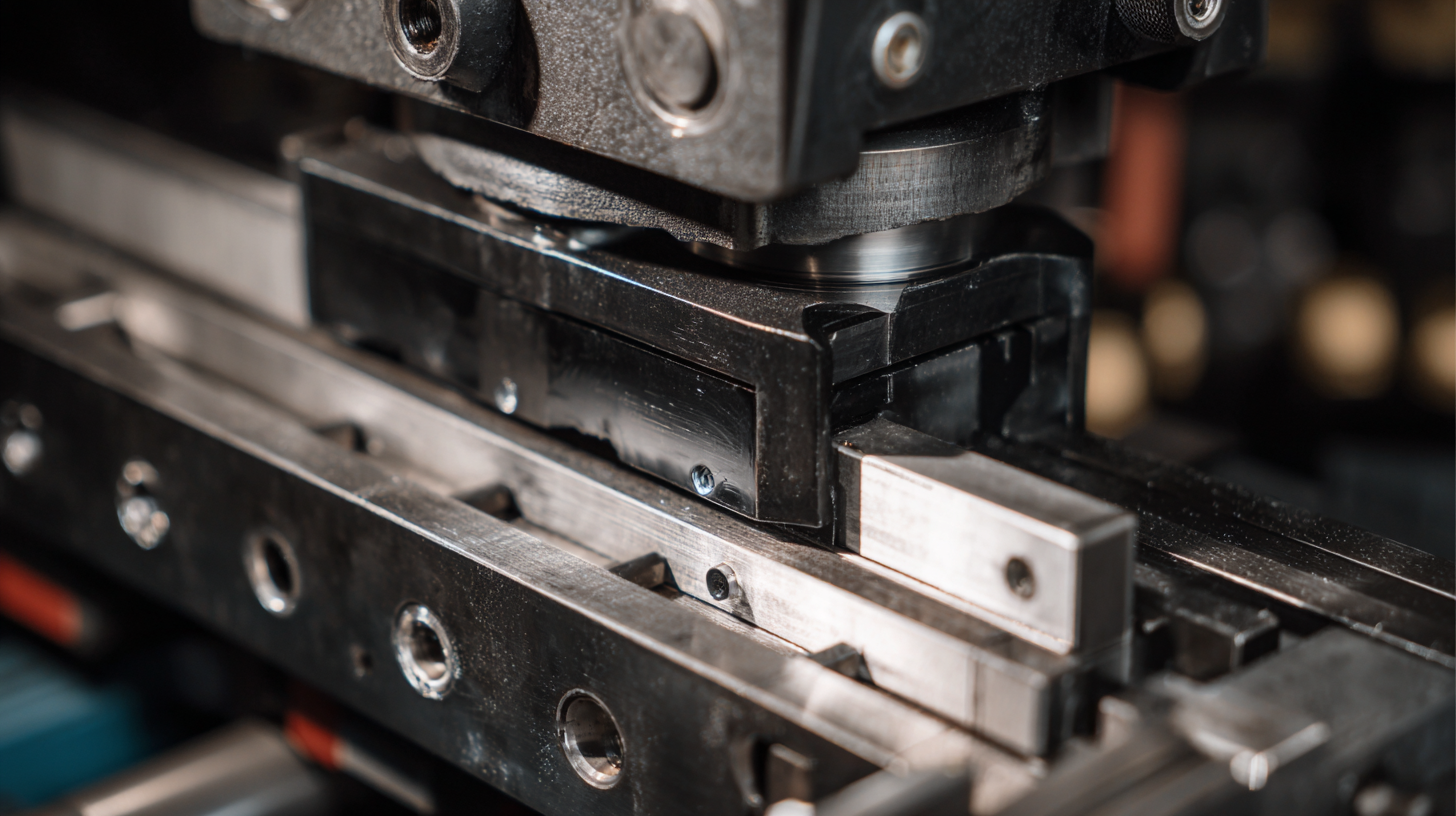
Taking good care of your small press brakes is super important if you want them to last and work their best in your workshop. Honestly, doing regular check-ups helps catch any wear and tear early on. Keep an eye out for misalignments because they can mess up your bends and make the machine wear out faster. It’s also a good idea to check the hydraulic system frequently—look for leaks or drops in pressure, which can really mess with performance. And hey, listen for any weird noises while you're working—it might be a sign something’s off mechanically.
Plus, don’t forget about lubrication. Oil all the moving parts—things like slideways and pivot points—to keep friction down and avoid unnecessary wear. Make sure to use the lubricants recommended by the manufacturer—that way, you’re on the safe side. Cleaning the machine after each use is just as important. Dust, metal shavings, and debris can build up and cause trouble down the line. Giving everything a quick clean not only helps your press brake last longer but also makes sure your bends stay precise and consistent. Trust me, a little extra attention goes a long way!
Innovative Applications of Small Press Brakes in Various Projects and Industries
Lately, small press brakes have really become essential tools in a bunch of industries. They’re pretty versatile and are being used in some pretty innovative ways to make production smoother and more efficient. These compact machines are all about precisely bending and shaping metal sheets, which is super important in fields like automotive, aerospace, and even renewable energy. I read somewhere that the global market for press brakes is expected to hit around $5 billion by 2025 — all thanks to the push for smarter, more flexible manufacturing processes.
One really interesting use of small press brakes is in hydrogen energy systems. As more industries start shifting towards cleaner, greener energy sources, these machines are playing a big part in creating components for hydrogen production and storage. Thanks to tech improvements, like using lighter materials, small press brakes make it quicker and easier to prototype and produce critical parts. That’s a huge boost for making hydrogen-powered systems more efficient. Overall, integrating small press brakes into these projects doesn’t just make things run smoother; it also supports sustainability efforts and helps tackle the challenges we face during this energy transition.
Driving Efficiency in Metal Fabrication: Insights on WE67K-100T 2500MM CNC Press Brake with Advanced CybTouch 8PS Control
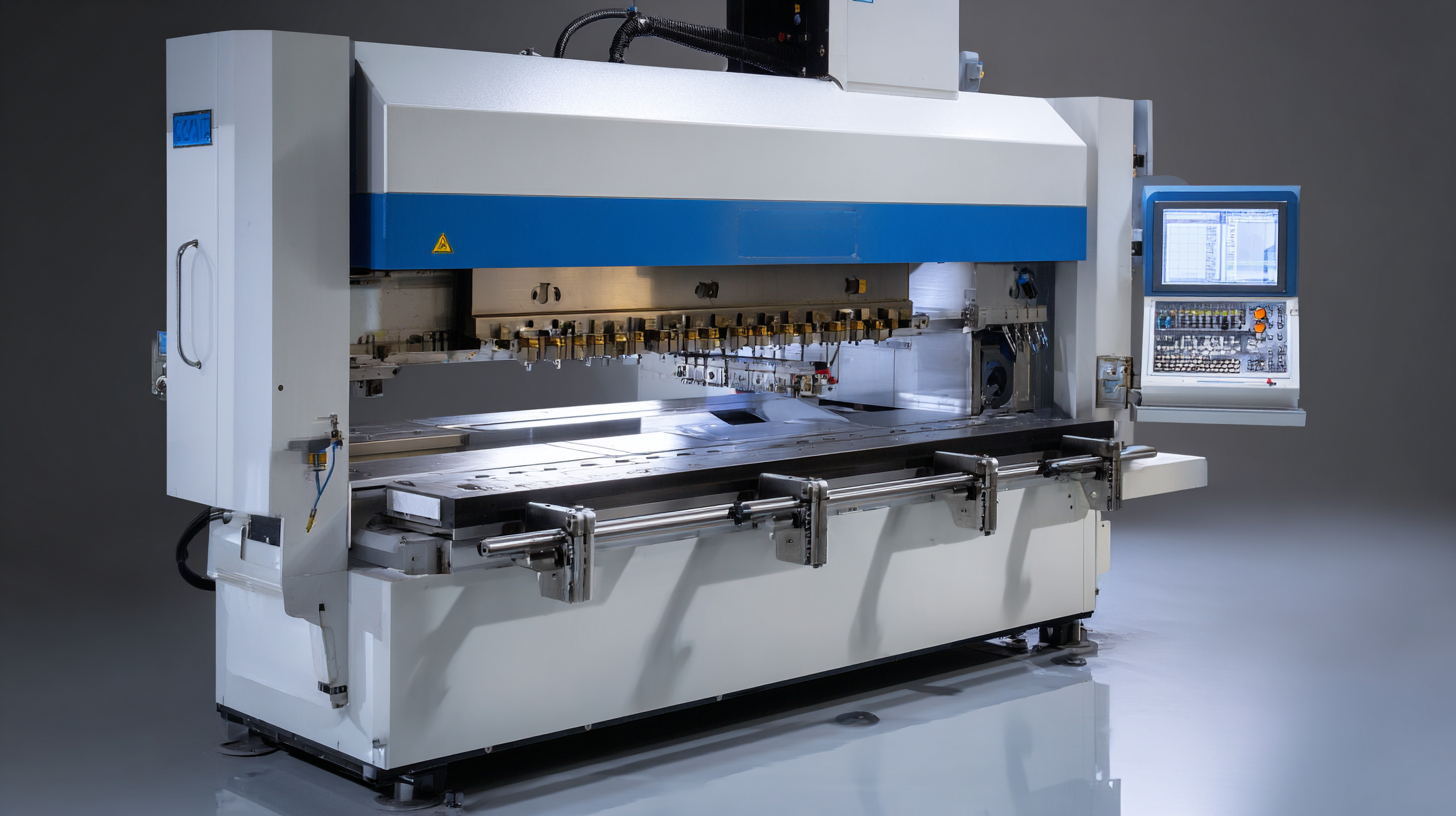
In the world of metal fabrication, efficiency and precision are paramount. The WE67K-100T 2500MM CNC Press Brake, equipped with the advanced CybTouch 8PS control system, exemplifies this ideal. Its robust design is backed by comprehensive analysis using ANSyS finite element software, ensuring that every component is crafted for reliability and accuracy. This meticulous engineering provides operators with the confidence that their bending operations will not only meet but exceed industry standards.
The CybTouch 8PS control system significantly enhances user experience by integrating features that streamline the fabrication process. Operators benefit from graphic programming for bending angles, which simplifies setup and reduces the potential for error. The system's capability to automatically calculate and adjust bending pressure based on real-time data is a game changer, allowing for quicker adjustments that account for workbench distortion. This means that every piece can be bent with precision, accommodating various lengths and specifications without manual recalibration—ultimately driving productivity and reducing downtime.
By implementing advanced controls like those found in the WE67K series, metal fabrication businesses can expect marked improvements in both efficiency and output quality. As the industry moves towards increasingly sophisticated machinery, equipping workshops with such state-of-the-art technology not only optimizes processes but also positions them for future growth in a competitive marketplace.
FAQS
: Small press brakes are essential tools for custom bending tasks in metalworking, providing precision and versatility for creating intricate designs.
The main advantages include their compact size for limited spaces, durability for daily use, and the ability to automate complex bending processes with CNC capabilities, enhancing productivity.
Always secure the material properly before bending, maintain the machine's components regularly, and familiarize yourself with its settings and controls to maximize performance.
Avoid neglecting to measure and mark your material before bending, as well as ensuring the press brake is correctly set up and calibrated for the material being used.
Accurate measurement and marking are crucial for achieving the desired specifications and preventing misaligned bends that can be costly in terms of time and materials.
Regularly check the condition of your die and punch, ensure the appropriate tooling is used for the material thickness, and maintain the machine to facilitate smoother operations.
Conclusion
Hey there! In this handy guide, we’re diving into the world of Small Press Brakes—what they are, how they work, and why they’re such a game-changer for metalworking. Honestly, getting a good grip on the basics is super important if you want to make the most of these machines. We also point out some of the key features that really help boost their performance. Safety’s a big deal here, so we chat about essential techniques to help you operate these machines smoothly and avoid common mistakes that could cause problems.
Plus, we’ve got some practical tips on maintenance, which are great for keeping your equipment in tip-top shape and making sure it lasts longer. And don’t forget to check out some cool, innovative ways these press brakes are used across different projects and industries. At Ma’anshan Dama Machinery Manufacturing, Ltd., they’re really leading the way in providing top-quality machines that are perfect for metalworkers’ needs. All in all, this guide is here to give you the scoop and help you work smarter, not harder!