Leave Your Message
0%

In the world of metalworking, picking the right machinery can really make a big difference when it comes to both the quality of your work and how efficiently everything runs. One piece of equipment that’s absolutely crucial is the Nc Press Brake — it’s a key player in sheet metal fabrication. I spoke with John Smith, a well-known expert in the field and a senior engineer over at Precision Metal Solutions, and he said something pretty spot on: “Choosing the right NC Press Brake doesn’t just affect how precise your bends are, but it also impacts your overall productivity.” His point really hits home — it’s so important to understand what you actually need before jumping into a purchase.

Now, if you’re on the hunt for the best NC Press Brake to fit your metalworking setup, I get it — the options can be overwhelming. There’s a lot to consider, like bending capacity, how easy the machine is to operate, and the tech features it offers. All of these things really matter because they affect how smooth and accurate your work will be. So, it’s worth taking your time and doing some homework to make an informed choice. This guide is here to help you sort through all that, offering practical tips and key info so you can find an NC Press Brake that really matches what you need — no guesswork involved.
Ultimate Guide to Choosing the Best Nc Press Brake for Your Metalworking Needs

Understanding NC Press Brakes: Key Features and Functions

Ultimate Guide to Choosing the Best Nc Press Brake for Your Metalworking Needs

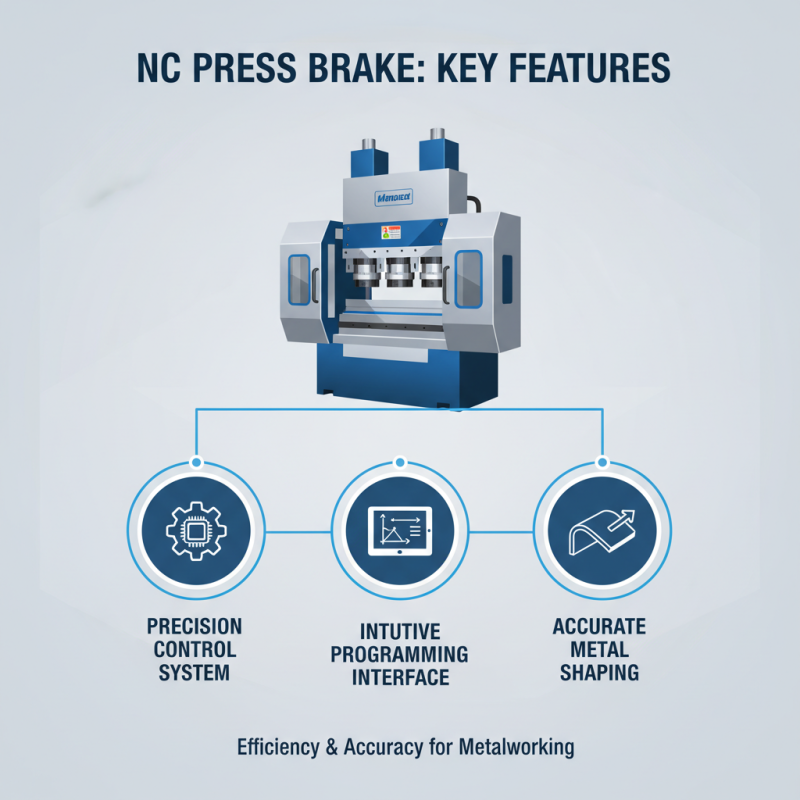
When selecting an NC press brake for metalworking applications, understanding its key features and functions is essential. NC, or Numerical Control, press brakes are advanced machines that utilize numerical data to achieve precise bending and shaping of metal sheets. One of the foremost features to consider is the control system, which typically allows for programmable settings that can cater to various bending processes, promoting efficiency and accuracy. Advanced NC press brakes may include intuitive interfaces that simplify programming tasks, enabling operators to swiftly input dimensional specifications and modify bending angles.

Another critical function of NC press brakes is their capacity and flexibility to handle different types of materials and thicknesses. This adaptability is often supported by various tooling options that allow users to switch between jobs with ease. Additionally, features such as automatic angle correction and back gauge positioning enhance operational precision, leading to consistent product quality. The integration of safety mechanisms, like light curtains and emergency stop buttons, further ensures a secure working environment, making NC press brakes a valuable asset in any metalworking shop. Understanding these fundamental aspects will help you choose the right machinery tailored to your specific production needs.

Evaluating the Accuracy and Precision in Metal Bending Operations

When selecting a NC press brake for your metalworking operations, evaluating the accuracy and precision in metal bending is crucial. The quality of your bends directly influences the overall integrity and aesthetics of your projects. An ideal press brake will provide consistent results, minimizing material waste and ensuring that your components meet stringent tolerances. Factors such as the machine's back gauge, ram accuracy, and the ability to maintain a steady tonnage are essential to achieving precise bends.

Tips for ensuring accuracy in metal bending operations include regular calibration of your equipment. Consistent maintenance not only enhances the longevity of your press brake but also ensures that it operates within the specified tolerances. Additionally, investing time in training operators to understand the intricacies of bending processes can lead to more refined skills and knowledge, ultimately improving the precision of the work produced.

Another important consideration is the tooling used in your bending operations. High-quality dies and punches that are suited to your specific applications will significantly impact the final results. Choosing the right tooling will enhance the machine's ability to maintain both accuracy and repeatability across different bending tasks, allowing you to produce high-quality parts with confidence.

Ultimate Guide to Choosing the Best Nc Press Brake for Your Metalworking Needs - Evaluating the Accuracy and Precision in Metal Bending Operations

Feature Description Importance Rating (1-5)
Bending Accuracy The capability of the press brake to bend materials to precise angles. Critical for maintaining part specifications. 5
Material Thickness The maximum thickness of material that can be effectively bent. Important for determining the range of applications. 4
Back Gauge Accuracy Precision of the back gauge in positioning the material. Essential for repeatability in production runs. 5
Control System Type of control panel and user interface for ease of operation. Affects workflow efficiency and operator training. 4
Speed of Bending Time taken to complete each bending cycle. Directly impacts productivity levels. 3
Repeatability The ability to produce the same bend multiple times without remeasuring. Vital for high-volume production. 5
Safety Features Includes emergency stops, protective guards, and safety interlocks. Key for ensuring operator safety during operations. 5

Comparing Hydraulic vs. Electric NC Press Brakes: Benefits and Drawbacks

When selecting an NC press brake for metalworking applications, understanding the differences between hydraulic and electricsystems is crucial. Hydraulic Press Brakes are known for theirpower and versatility, making them ideal for heavy-duty tasks. According to a 2022 market analysis by Technavio, hydraulic systems hold approximately 60% of the press brake market due to their ability to handle thick materials and complex bends efficiently. They offer a higher force output, which is particularly beneficial for industries requiring robust bending capabilities, such as aerospace and automotive manufacturing.

On the other hand, electric NC press brakes are gaining popularity for their energy efficiency and reduced operational costs. A report by Frost & Sullivan highlights that electric models consume 30-50% less energy compared to their hydraulic counterparts, appealing to businesses focused on sustainability and cost reduction. Additionally, electric press brakes often feature faster cycle times and require less maintenance, contributing to overall productivity improvements. However, they may not deliver the same power levels on thick materials that some hydraulic systems offer. Ultimately, the choice between hydraulic and electric press brakes should be guided by specific operational requirements, material types, and long-term efficiency goals.

Assessing Press Brake Capacity: Tonnage Requirements and Considerations

Ultimate Guide to Choosing the Best Nc Press Brake for Your Metalworking Needs

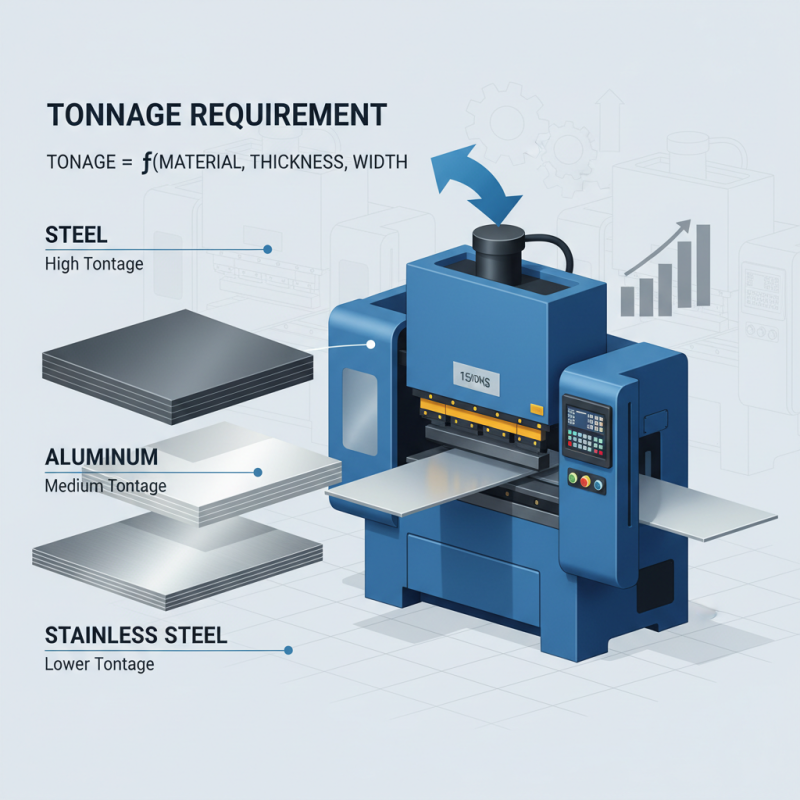
When selecting a press brake, assessing its capacity is crucial to meet the demands of your metalworking projects. The first step in determining tonnage requirements is to understand the material you will be bending. Different materials, such as steel, aluminum, or stainless steel, have varying strength levels, which directly impact the tonnage needed. Generally, a higher tonnage is required for thicker materials and those with greater tensile strength. It's essential to calculate the maximum thickness and width of the material you plan to work with, as this will guide you in selecting a press brake with adequate tonnage capabilities.

In addition to the basic calculations, consider the bending length and the die configuration you intend to use. The geometry of the bend can affect the pressure exerted on the material, and consequently, influence the tonnage required. For instance, a sharp bend might require more tonnage compared to a gentle curve. Furthermore, the choice between air bending and bottom bending techniques should be factored into your evaluation, as they have different tonnage implications. By taking into account these various factors, you can ensure that you choose a press brake that not only meets your immediate needs but also supports future projects efficiently.

Essential Safety Features in NC Press Brakes: A Manufacturer’s Perspective

When looking for an NC press brake, safety features should be at the forefront of your selection process. According to recent industry reports, over 20% of metalworking injuries are linked to machinery mishaps primarily caused by inadequate safety protocols. Thus, an NC press brake equipped with comprehensive safety features can significantly mitigate these risks. Key safety features include advanced emergency stop mechanisms, two-hand controls, and operator presence detection systems. These systems ensure that the machine can be halted instantly in life-threatening situations, reducing the likelihood of accidents.

The implementation of safety standards is not only a legal requirement but also a business imperative, with a reported 30% of firms experiencing increased productivity after enhancing their safety measures. Moreover, the inclusion of protective barriers and automatic tool adjustments in modern NC press brakes can greatly improve operational safety. Statistics further indicate that facilities adhering to enhanced safety regulations can see a 50% decrease in workplace injuries. Therefore, investing in machines that prioritize safety not only protects workers but also fortifies a manufacturer's bottom line.

Cost-Benefit Analysis of Investing in a High-Quality NC Press Brake

Investing in a high-quality NC press brake can significantly enhance the efficiency and precision of your metalworking operations. While the initial cost may seem daunting, performing a thorough cost-benefit analysis reveals that the long-term advantages often outweigh the upfront expenditure. A premium NC press brake not only offers superior bending accuracy and repeatability but also increases production speed, allowing businesses to meet demand more effectively. This can translate to higher throughput and ultimately, greater profitability.

Moreover, a reliable NC press brake minimizes maintenance needs and operational downtime, which are crucial factors in maintaining a competitive edge in the metalworking industry. With advanced features such as smart technology integration and user-friendly interfaces, employees can operate the machinery with minimal training, reducing labor costs over time. The ability to customize bends meets a wider range of client specifications, which strengthens customer relationships and drives repeat business. Consequently, while the investment in a high-quality NC press brake may require an initial financial commitment, the potential for increased productivity and profitability makes it a prudent choice for any metalworking operation.

Cost-Benefit Analysis of High-Quality NC Press Brakes

Maintenance and Service Guidelines for Longevity of Your NC Press Brake

Maintaining your NC press brake is essential for ensuring its longevity and optimal performance. Regular service not only extends the machine's lifespan but also enhances your metalworking efficiency. One key maintenance task is to routinely clean the machine, including its hydraulic system and electrical components, to prevent the accumulation of debris that could affect operation. Additionally, keeping an eye on the alignment of the tooling can help avoid unnecessary wear and tear.

**Tip:** Schedule a weekly inspection to check for any signs of wear on components such as the hydraulic cylinders and control systems. This proactive approach can help identify small issues before they become major problems.

Another critical aspect of maintenance is lubrication. Regularly applying the right lubricants to moving parts is crucial to ensure smooth operation and prevent rust. Following the manufacturer's recommendations for lubrication intervals and types will help in maintaining the press brake’s performance.

**Tip:** Create a detailed maintenance log that tracks lubrication schedules, inspections, and any repairs made. This log will serve as a valuable reference and help you identify patterns or recurring issues.

Always ensure that your NC press brake is set up correctly before operation, as improper setups can lead to increased strain on the machine. By following these maintenance and service guidelines, you can ensure that your press brake serves you well for years to come.

Enhancing Precision and Efficiency: A Comprehensive Review of WC67K-300T 3200MM E21 NC Hydraulic Press Brake Machine Based on Industry Trends and Reports

The WC67K-300T 3200MM E21 NC Hydraulic Press Brake Machine stands out in the landscape of precision manufacturing, driven by significant advancements in numerically controlled (NC) technology. According to industry reports, the adoption of NC systems has shown a remarkable increase of approximately 25% over the past five years, reflecting the growing demand for automated solutions in bending applications. This particular model, equipped with an E21 control system featuring a high-definition LCD screen, simplifies the user experience by offering a clear interface for programming and operational parameters in both English and Chinese.

One of the key features of the E21 NC Hydraulic Press Brake is its intelligent positioning capability on the X and Y axes. This innovation allows for both automatic adjustments and manual positioning, adapting to a variety of production needs without the additional cost of mechanical hand positioning devices. Furthermore, the built-in functionalities for pressure holding time and unloading delay not only streamline operations but also contribute to cost reduction, as these features eliminate the need for external time relay components. Reports indicate that such enhancements can lead to operational cost savings of up to 15% in manufacturing settings.

In addition to efficiency, the E21 system supports multi-step programming, making it ideal for processing complex workpieces in a single cycle. This capability is particularly valuable in a workforce increasingly focused on precision and timeliness; studies show that incorporating advanced NC solutions can improve processing accuracy by as much as 20%. With features like one-click parameter backup and recovery, the E21 NC Hydraulic Press Brake Machine is positioned as a front-runner in the pursuit of enhanced precision and efficiency in the hydraulic press brake market.

FAQS

: What are the main differences between hydraulic and electric NC press brakes?

: Hydraulic press brakes are known for their power and ability to handle thick materials, making them suitable for heavy-duty tasks, while electric press brakes are praised for their energy efficiency, faster cycle times, and lower maintenance needs.

Why do hydraulic press brakes dominate the market?

Hydraulic systems hold about 60% of the press brake market due to their capability to manage thick materials and complex bends efficiently, particularly in demanding industries like aerospace and automotive manufacturing.

What are the energy consumption benefits of electric press brakes?

Electric press brakes typically consume 30-50% less energy compared to hydraulic models, which is attractive for businesses that prioritize sustainability and cost savings.

How can I maintain my NC press brake for optimal performance?

Regular cleaning, ensuring proper alignment of tooling, and routine lubrication of moving parts are essential maintenance tasks that help extend the machine's lifespan and enhance performance.

What should I include in a maintenance log for my press brake?

A maintenance log should track lubrication schedules, inspections, and any repairs made to the press brake, serving as a valuable reference to identify patterns or recurring issues.

How often should I inspect my NC press brake?

It is advisable to schedule weekly inspections to check for signs of wear on components such as hydraulic cylinders and control systems to catch small issues before they escalate.

What is the importance of proper setup before using a press brake?

Ensuring that the NC press brake is set up correctly before operation helps prevent increased strain on the machine, which can lead to premature wear and other operational issues.

Do electric press brakes perform as well as hydraulic models on thick materials?

Electric press brakes may not achieve the same power levels on thick materials as some hydraulic systems, making the choice dependent on specific operational requirements.

Conclusion

The article "Ultimate Guide to Choosing the Best Nc Press Brake for Your Metalworking Needs" offers a comprehensive overview of the essential factors to consider when selecting an NC Press Brake. It begins by explaining the key features and functions of NC Press Brakes, highlighting the importance of accuracy and precision in metal bending operations. The guide then delves into a comparison of hydraulic and electric NC Press Brakes, discussing their respective benefits and drawbacks.

Furthermore, it emphasizes the significance of assessing press brake capacity, including tonnage requirements, to ensure optimal performance. Safety features are also reviewed from a manufacturer's perspective, underscoring the necessity for compliance with safety standards. The article concludes with a cost-benefit analysis of investing in a high-quality NC Press Brake and provides maintenance and service guidelines aimed at enhancing longevity and reliability. This thorough evaluation equips readers with the knowledge needed to make informed decisions regarding their metalworking needs.

Elena

Elena

Elena is a dedicated marketing professional at Ma'anshan Dama Machinery Manufacturing Co., Ltd., where she utilizes her extensive expertise to promote the company’s advanced mechanical products. With a deep understanding of the industry, she consistently crafts insightful blog posts that not only......
Previous Comprehensive Insights into Press Brake Technology for Global Buyers